
Crafting the Perfect Coffee Experience at Home
Unlock the secrets to creating a delightful coffee experience in the comfort of your own home
Selecting the Best Coffee Beans for Your Taste
The foundation of any exceptional coffee experience starts with selecting the best coffee beans. Whether you prefer a bold, robust flavor or a smooth, fruity note, understanding the different types of beans can significantly enhance your coffee journey. Arabica and Robusta are the two primary coffee bean types. Arabica beans are known for their smooth, complex flavors, while Robusta beans offer a stronger, more bitter taste.
When choosing beans, consider the origin as well. Beans from different regions have distinct flavor profiles; for example, Ethiopian beans often have fruity and floral notes, while Colombian beans are known for their balanced flavor. Freshness is also crucial—always check the roast date and try to use the beans within a few weeks of roasting for the best flavor.
Essential Equipment for Home Brewing
Creating a perfect coffee experience at home requires the right equipment. While you don't need to invest in the most expensive gadgets, having some essential tools can make a big difference. A high-quality burr grinder is indispensable for achieving a consistent grind size, which is crucial for proper extraction. Avoid blade grinders as they produce uneven grinds, leading to inconsistent flavors.
Next, consider your brewing method. Whether you prefer a French press, pour-over, AeroPress, or espresso machine, each method requires specific tools and techniques. For instance, a gooseneck kettle is ideal for pour-over methods as it allows for precise water flow control. Additionally, investing in a digital scale ensures you use the correct coffee-to-water ratio, enhancing the consistency and quality of your brew.
Mastering the Art of Coffee Brewing Techniques
Once you've selected your beans and gathered your equipment, it's time to master the art of brewing. Different brewing methods can bring out various characteristics in your coffee. For example, the pour-over method is excellent for highlighting the nuanced flavors of single-origin beans, while the French press produces a rich, full-bodied cup.
To perfect your brewing technique, pay attention to factors such as water temperature, grind size, and brewing time. Generally, the ideal water temperature for brewing coffee is between 195°F and 205°F. Too hot, and you'll extract bitter compounds; too cool, and your coffee will be under-extracted and weak. The grind size should match your brewing method—for example, coarse for French press and fine for espresso. Finally, adjust the brewing time to balance extraction and flavor.
Creating Beautiful Latte Art Designs
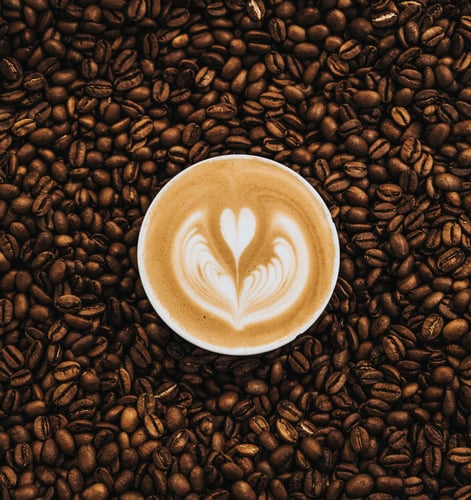
Latte art transforms a simple cup of coffee into a visual delight. While it may seem intimidating at first, with practice, you can create stunning designs right at home. Start by steaming your milk to the right texture. The goal is to achieve microfoam—milk that is smooth and velvety with tiny, uniform bubbles.
Once your milk is ready, pour it into your espresso slowly, starting from a higher distance to mix the milk and coffee. As you fill the cup, bring the pitcher closer to the surface and pour more quickly, using a gentle, side-to-side motion to create your design. Common patterns include hearts, rosettas, and tulips. Remember, practice makes perfect, so don't be discouraged if your first attempts aren't flawless.
Enhancing Your Coffee Experience with Perfect Pairings
Pairing your coffee with the right foods can elevate your home coffee experience. Consider flavors that complement or contrast with the profile of your coffee. For a fruity Ethiopian brew, pair it with a citrusy pastry or a berry tart to highlight the coffee's natural fruitiness. A dark, chocolatey espresso pairs wonderfully with a rich chocolate dessert or a piece of buttery shortbread.
Beyond sweets, savory options can also enhance your coffee experience. A cheese platter with a variety of textures and flavors can provide a delightful contrast to your coffee, while savory breakfast options like avocado toast or a hearty omelet pair perfectly with a morning brew.
Maintaining Your Coffee Equipment for Longevity
To ensure the longevity and performance of your coffee equipment, regular maintenance is essential. Start by cleaning your grinder regularly to prevent old coffee grounds from affecting the flavor of your fresh beans. Disassemble the grinder as per the manufacturer's instructions and use a brush to clean the burrs and other components.
For your brewing equipment, follow a routine cleaning schedule. After each use, rinse your French press or AeroPress thoroughly and wash with mild detergent. For espresso machines, backflush the machine and clean the portafilter and group head regularly. Descale your kettle and espresso machine periodically to remove mineral buildup, using a mixture of water and vinegar or a descaling solution. Keeping your equipment clean not only ensures the best-tasting coffee but also extends the life of your tools.
By selecting the best beans, using the right equipment, mastering brewing techniques, creating latte art, pairing your coffee with complementary foods, and maintaining your equipment, you can craft an exceptional coffee experience right in your own home. Enjoy the journey and savor every cup!
Related Posts
Test Blog Post
Fake blog for testing.
 Charlotte Burckin
Jul 30, 2026, 11:56:36 AM
Charlotte Burckin
Jul 30, 2026, 11:56:36 AM
Comments